
Formalwear
Tailored Formalwear for the Most Traditional Occasions
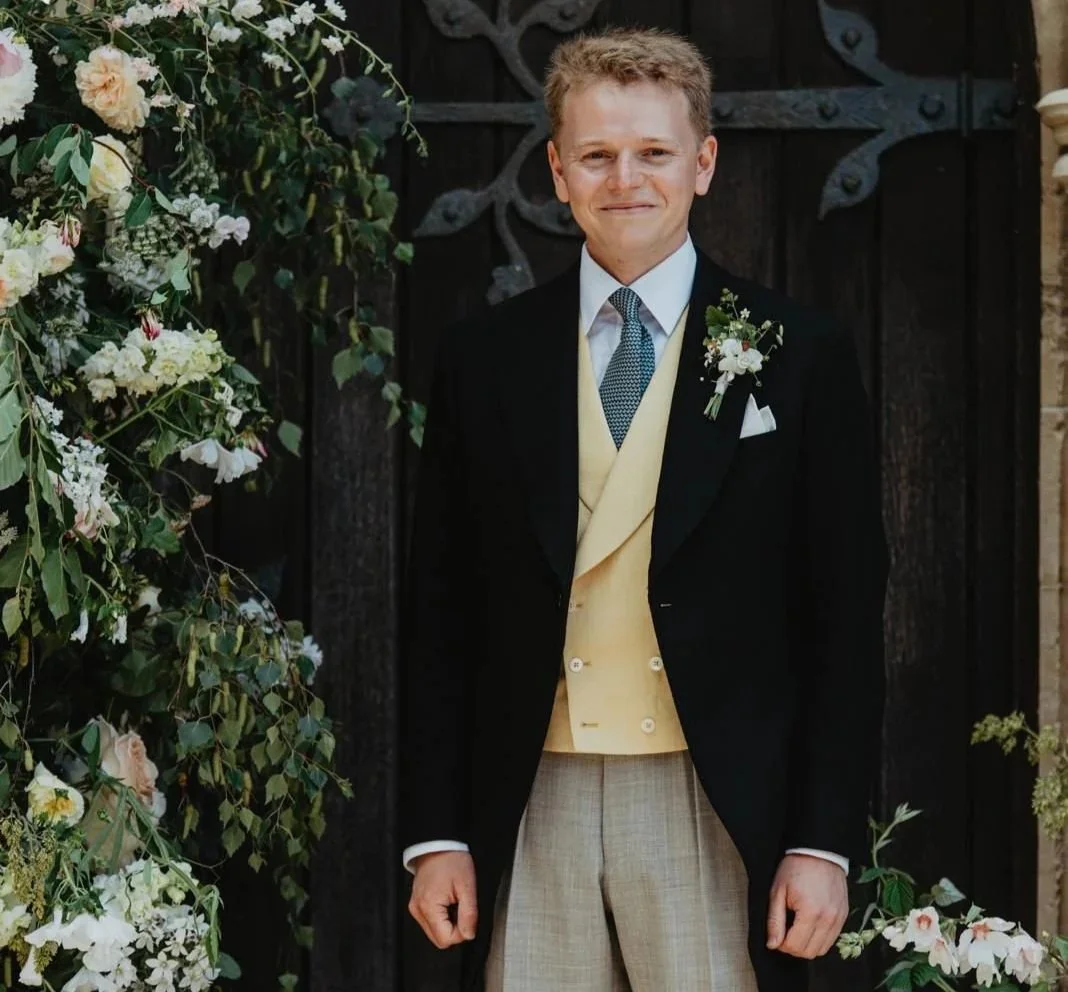
Formalwear is a term used for dressing to the requirements of traditional and specific dress codes, tending to be for the most formal occasions. Whether it be a bespoke morning suit, tailored tuxedo, white tie or traditional dinner suit this is the ultimate in elegant dressing.
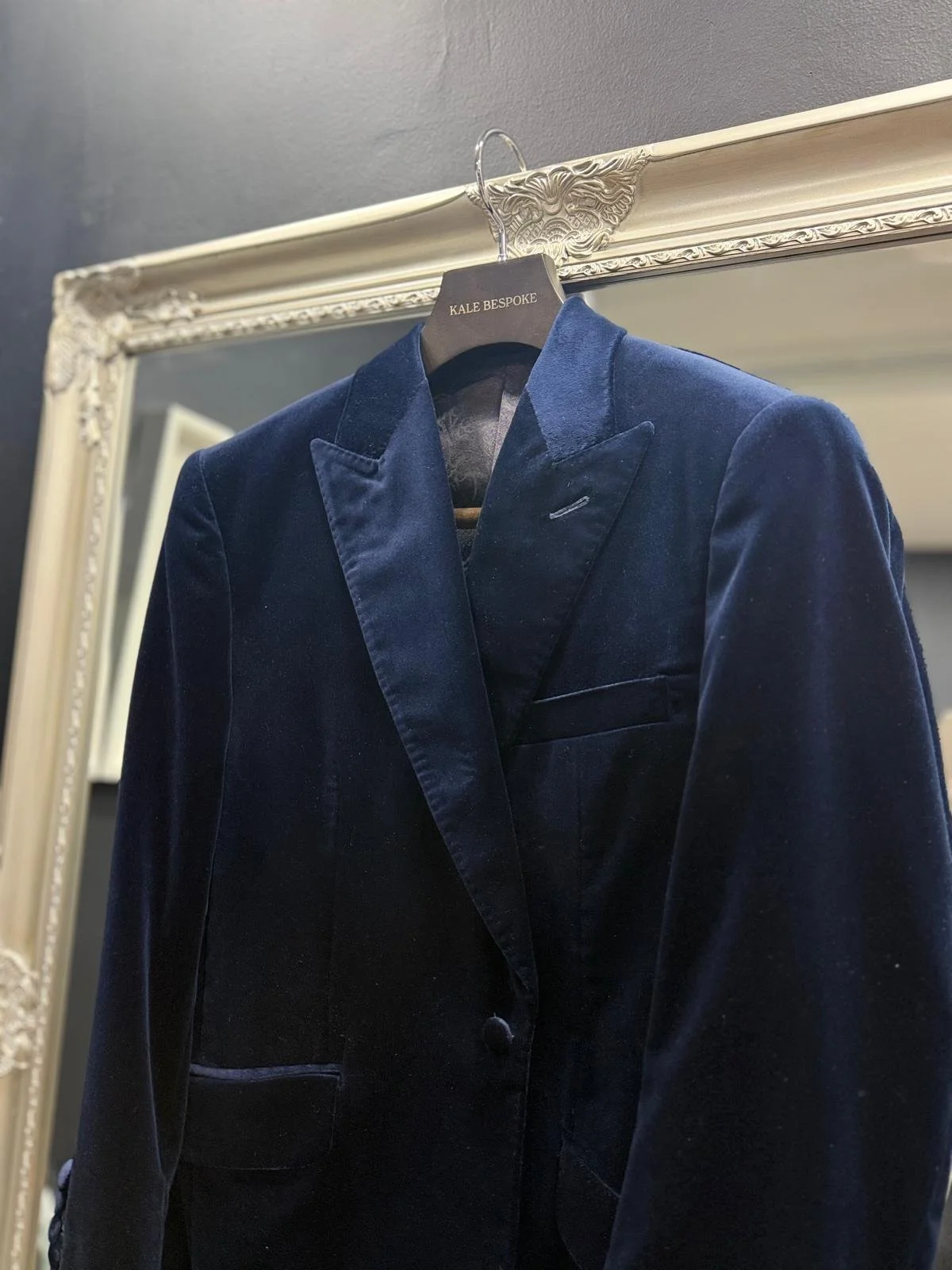
When an occasion calls for a formal dress code, it deserves an outfit that is both elegant and thoughtfully considered. At Kale Bespoke when we’re creating a look that remains timeless and refined, simplicity is always key.
As we guide you through the bespoke formalwear process, we can advise on the distinctions between each formalwear cloth as well as assisting with the appropriate style choices to consider.
Together, we craft your formalwear ensemble, made to last a lifetime, for an exceptional look.
With our expert tailor’s in-depth knowledge, we can advise and guide you through every step of your bespoke formalwear needs.
Our tailored formalwear options range from simple dress shirts to full bespoke formalwear ensembles, with hundreds of classic cloths to choose from.
From your initial consultation to taking home your finished garments, the process takes 8-10 weeks, throughout which time we are on hand to ensure a smooth and stress free experience.
Formalwear Guide
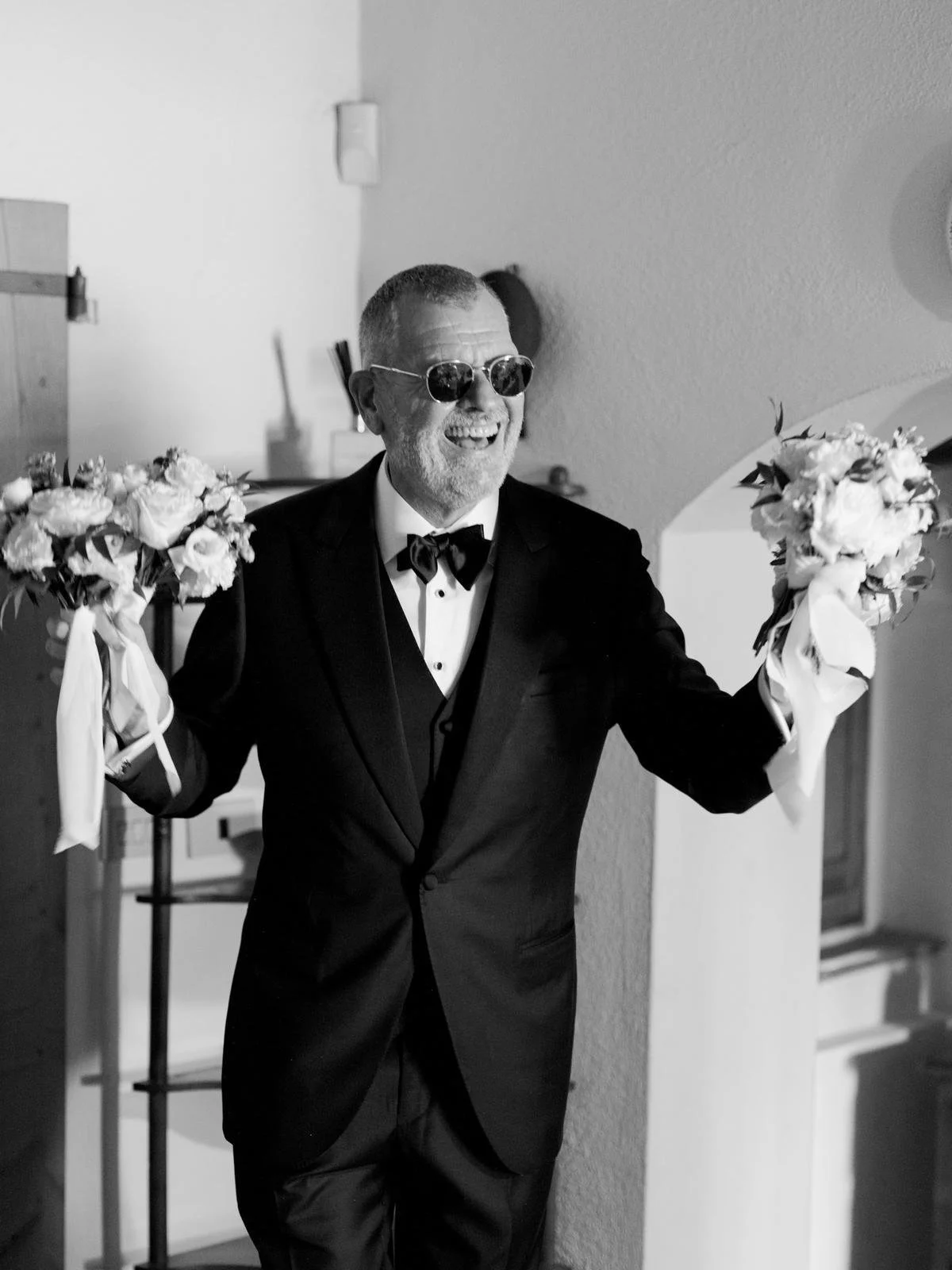
Few dress codes cause more uncertainty than the single word: Formal. Fortunately, formalwear follows long-established conventions rather than personal interpretation, making the rules that come with it much easier to follow.
Reassuringly, these rules have changed very little over the past century. Whether the occasion calls for black tie, white tie or morning dress, each has a clear set of traditions that make dressing appropriately far simpler than many imagine.
In the guide below, we'll explain each dress code and its defining features, ensuring you're perfectly prepared for everything from weddings and christenings to the most prestigious formal occasions.
Black Tie
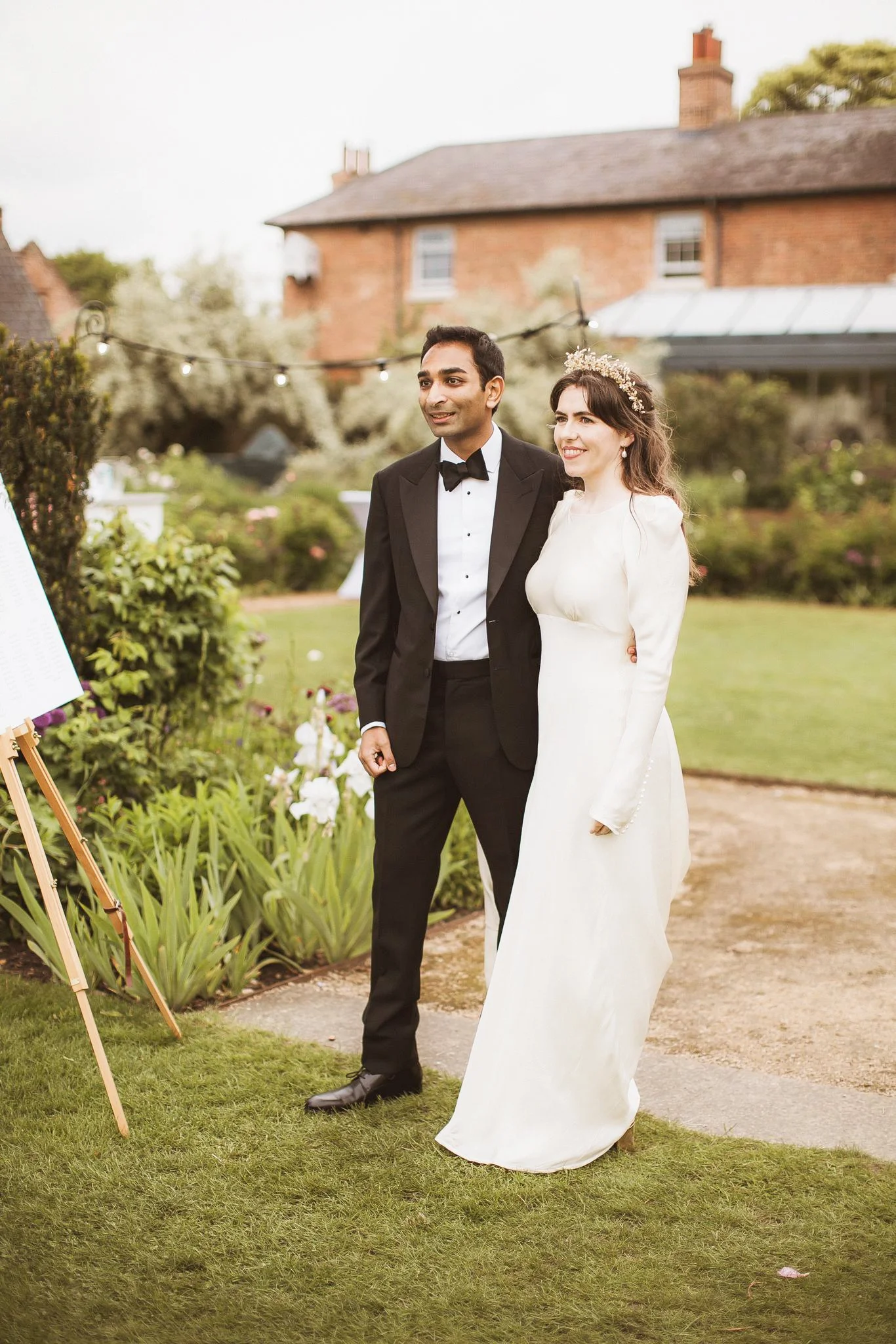
Originally introduced in the late nineteenth century as a less formal alternative to tailcoats, the dinner suit has become the highest level of dress many gentlemen will ever wear.
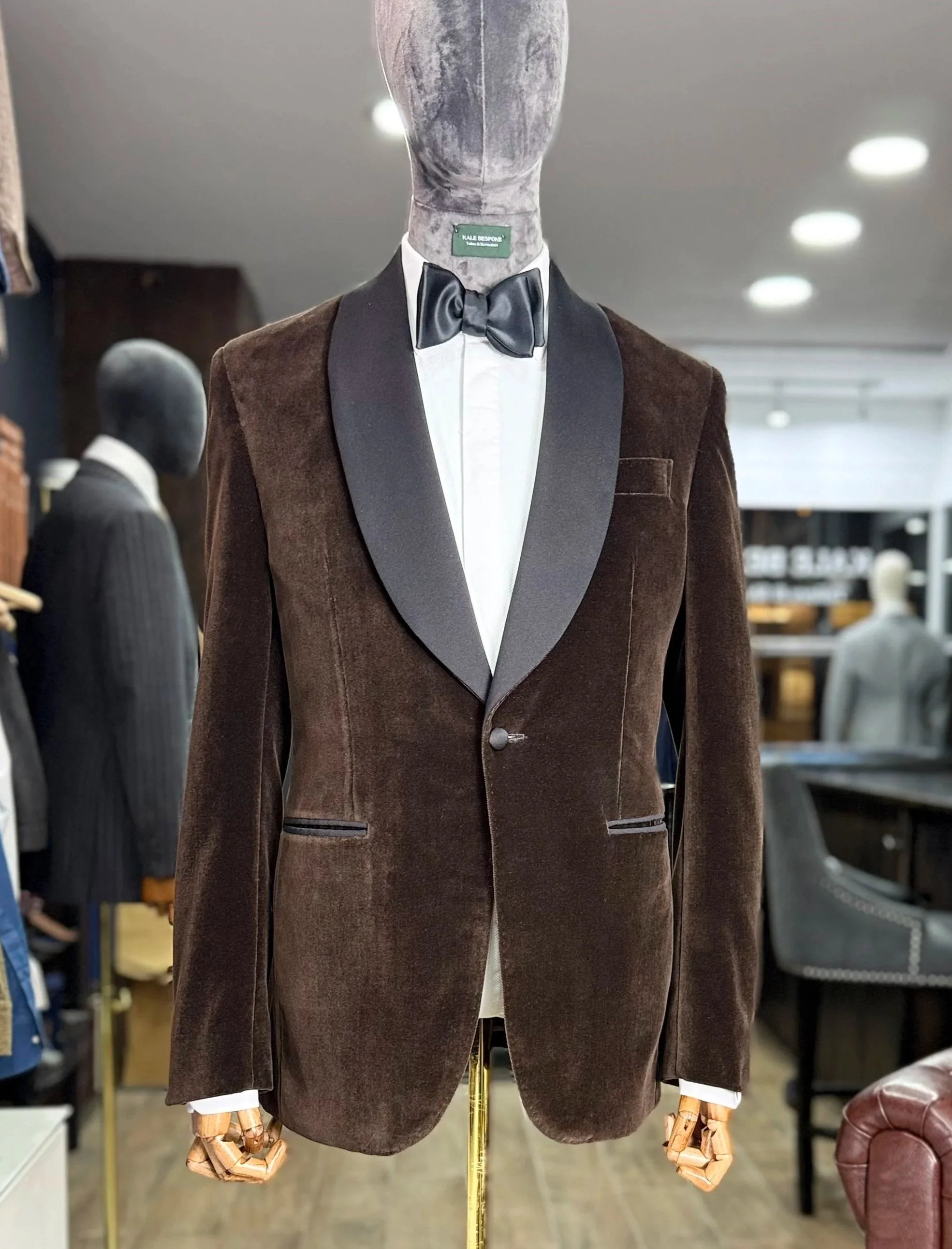
By far the best-known of all formal dress codes, black tie centres on the classic British dinner suit (or tuxedo if you’re from the U.S.), traditionally cut in black or midnight navy. Its defining features are silk-faced peaked or shawl lapels with matching silk stripes down the trousers, using either satin or grosgrain.
A white pleated or piqué bib-front shirt with double cuffs, a black silk bow tie and a matching cummerbund complete the look. Although originally practical, the cummerbund still serves to create a cleaner, more flattering silhouette.
Accessories should remain understated. A neatly folded white cotton pocket square is traditional, while footwear - always black - ranges from polished Oxfords and patent leather shoes to velvet slippers or opera pumps.
White Tie
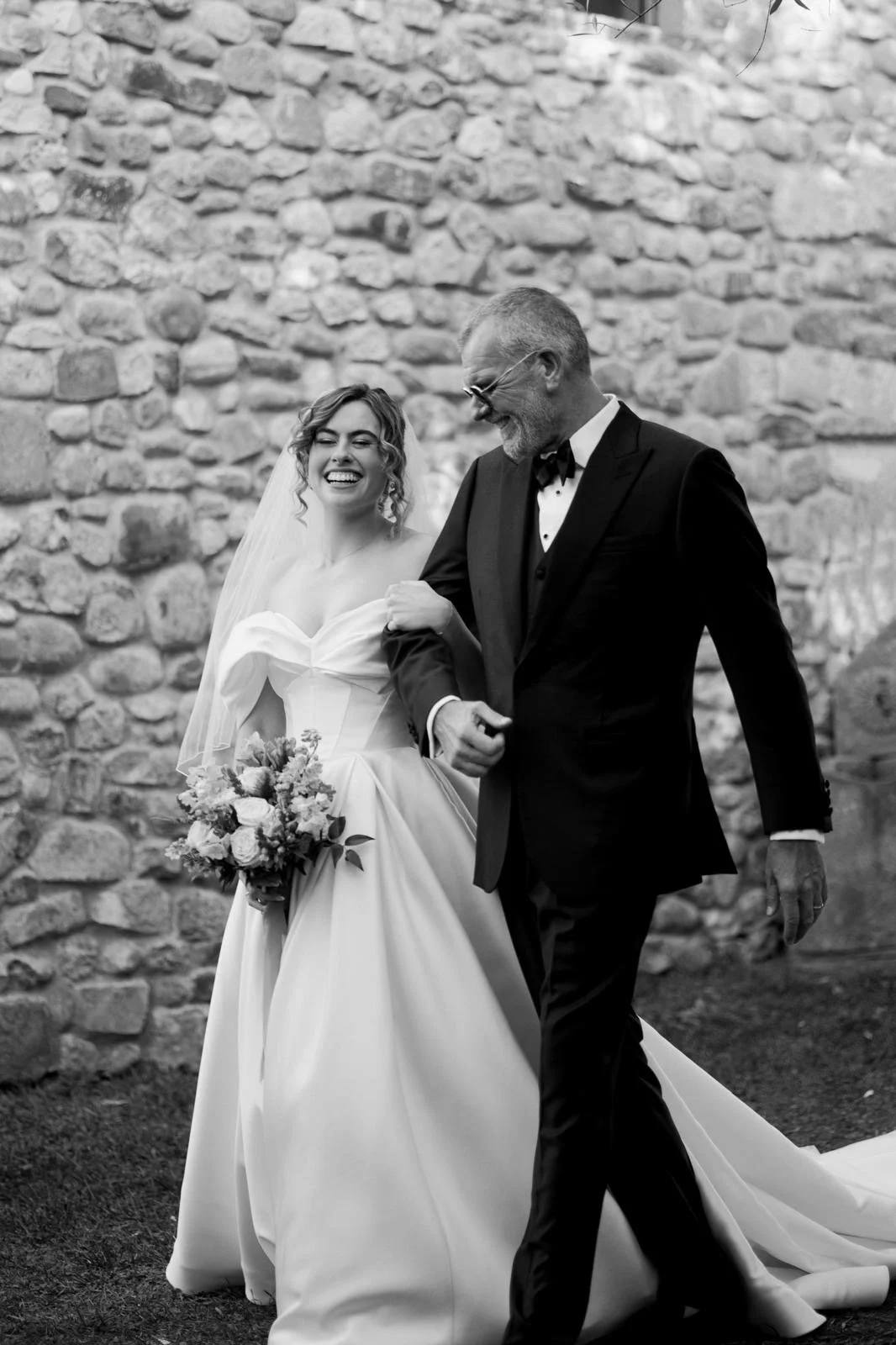
White tie is the highest level of formal dress, reserved for the most distinguished occasions.
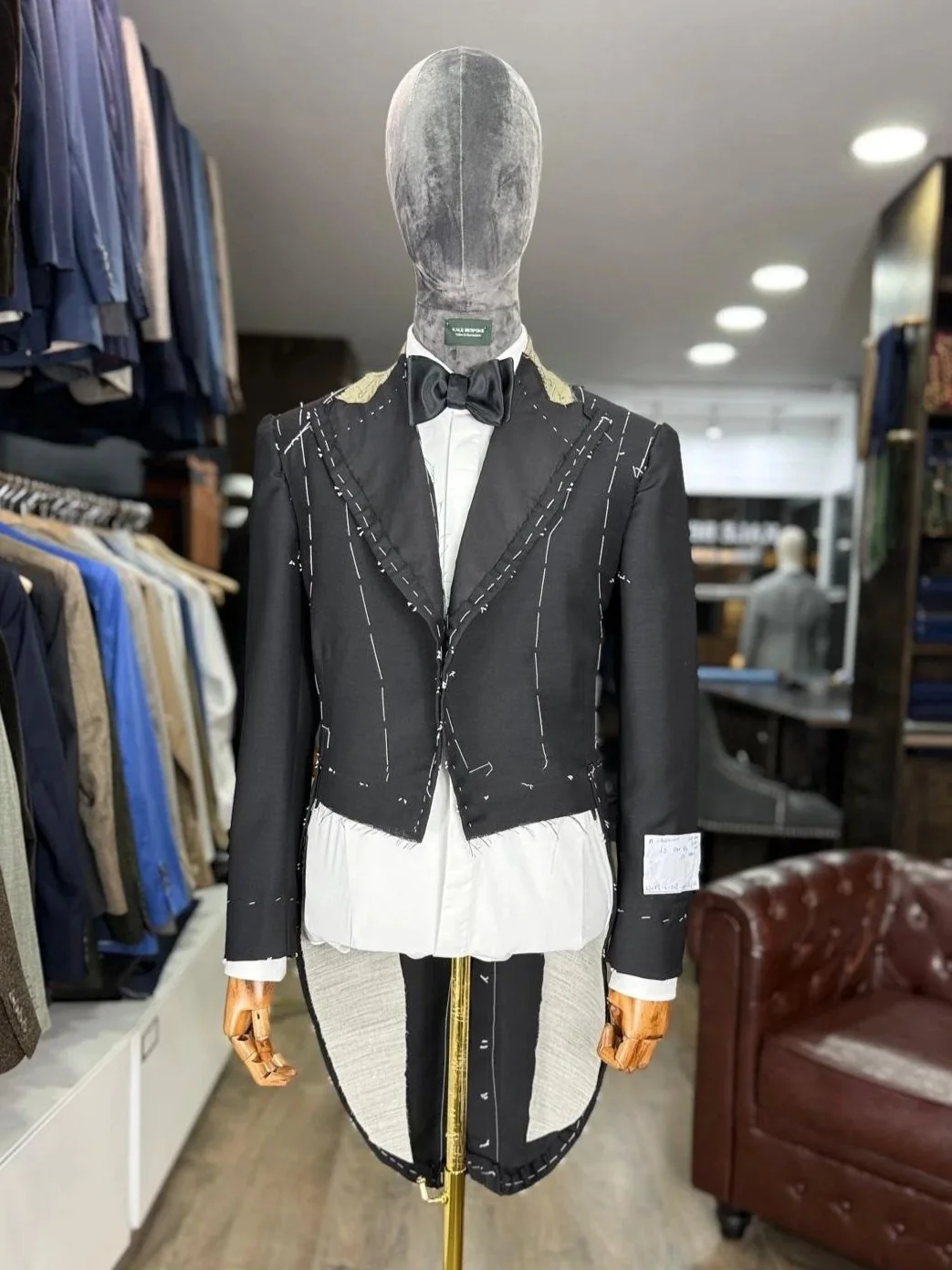
With a history that dates back to riding attire from the eighteenth-century, it’s the tailcoat that defines this ensemble, cut short at the front with elegant tails extending to the knee.
Like black tie, it is traditionally made in black or midnight blue with silk-faced lapels on the tailcoat and matching silk-striped trousers. It is distinguished by a white piqué waistcoat, designed to remain visible beneath the unbuttoned tailcoat.
A white piqué bib-front shirt with a wing collar, double cuffs and black patent evening shoes complete the look. And, as the name suggests, the finishing touch is a white piqué cotton bow tie, matching the waistcoat.
Fabrics
With so many defined specifics, formalwear requires cloths designed directly to meet the needs of the occasion. At Kale Bespoke, our specialist collections offer fabrics that complement the structure and elegance of dinner suits, morning dress and tailcoats.
This range includes wool baratheas blended with silk or mohair, alongside traditional striped cloths for morning trousers. We have equally comprehensive ranges across pure silks for dinner suits, tailcoats, waistcoats and morning wear plus those all important shirtings.
Our Tailoring Options - Bespoke & Made to Measure
Bespoke Tailoring
Kale Bespoke we offer two types of tailored formalwear.
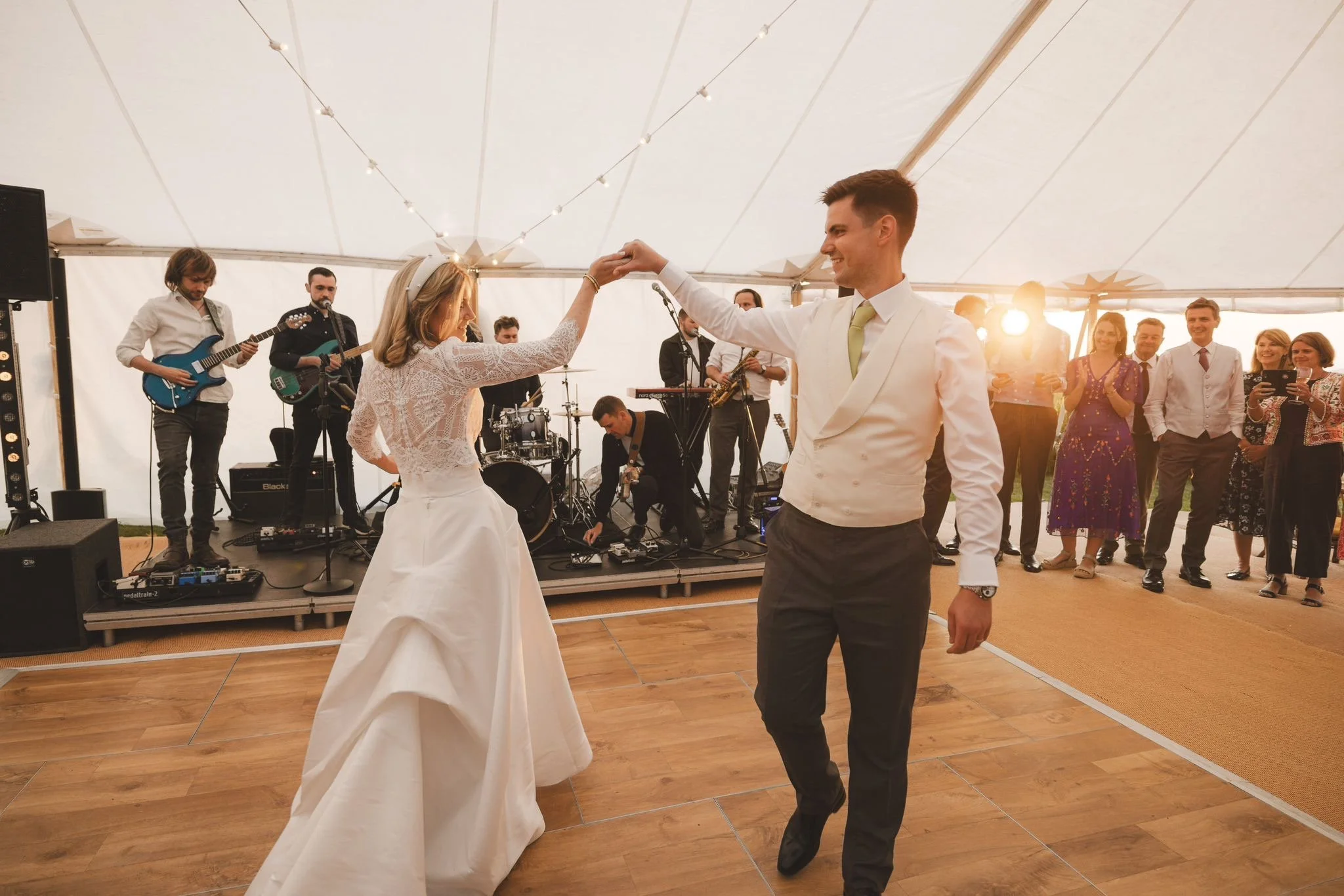
Our premium service is bespoke formalwear. All of our bespoke garments are cut and sewn under the supervisions of our Head Cutter, Jon DeBoise. You can read more about the bespoke process on our Bespoke Tailoring page.
Made to Measure Tailoring
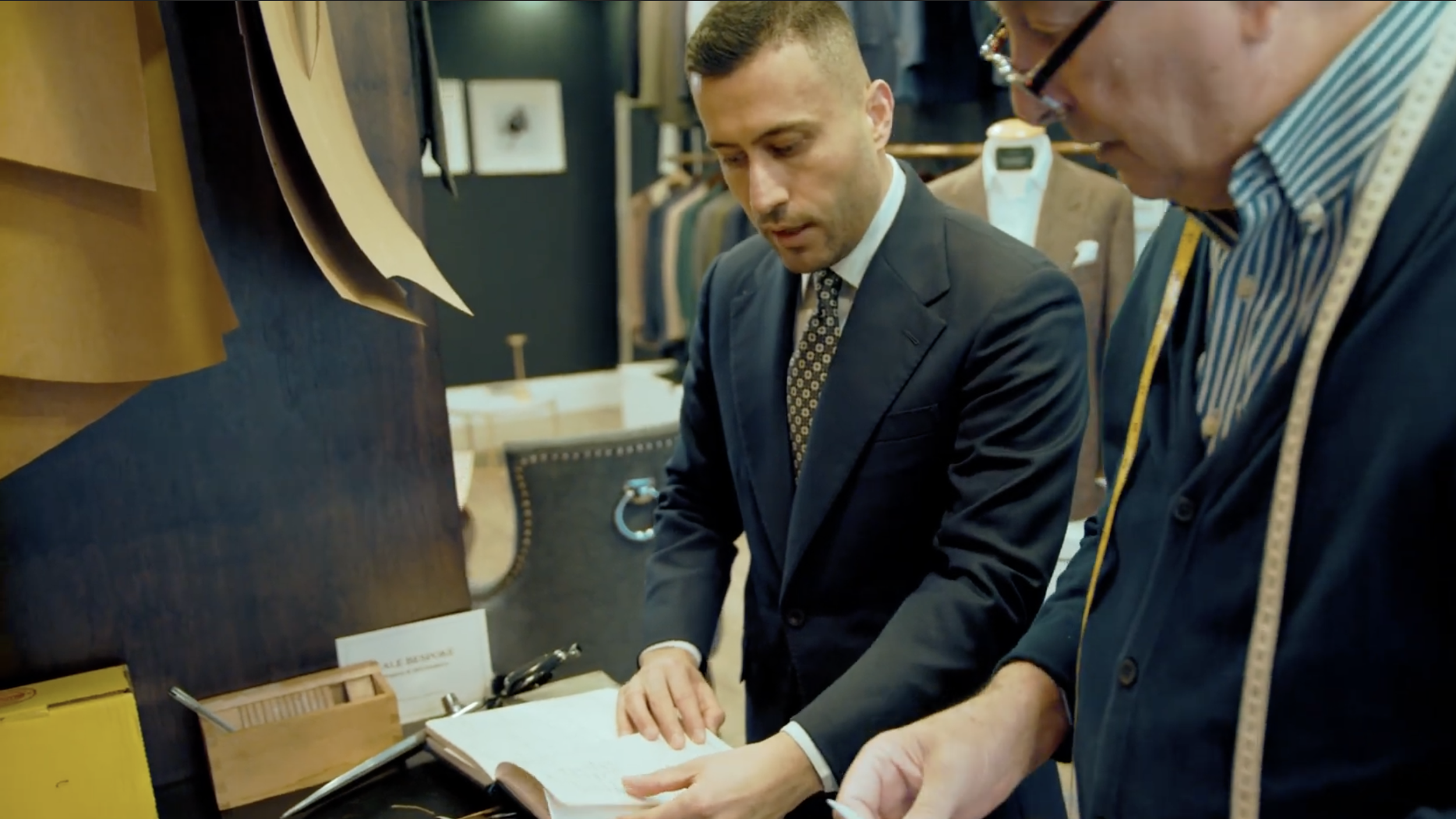
Our made-to-measure formalwear is only available for dinner suits and tuxedos. This service delivers all of the quality, style, choice and service of our bespoke tailoring service, but as the made-to-measure process is less labour intensive and time consuming than the bespoke tailoring process, the pricing is more economical.
You can read more about the made-to-measure process on our Made to Measure Tailoring page.
Formalwear Aftercare
Once you've invested in a tailored garment, it's important to make sure it reaches its full potential. A bespoke piece is crafted to last a lifetime, but without proper care, its longevity can be compromised. Thankfully, by following a few simple steps, you can maintain the distinctive shape and appearance of your garments for years to come, ensuring your business suit meets every expectation.
Be sure to allow enough space in your wardrobe for your bespoke garments; overcrowding can cause them to become crushed and creased. High-quality wooden hangers with rounded ends and a subtle forward curve are ideal for preserving the shape of your jackets. For trousers, choose a hanger with a textured crossbar to prevent slipping and ensure they hang properly.
Store
One of the best ways to extend the life of your garments is to avoid wearing them too frequently. Ideally, allow your clothes time to rest and air out between wears. Rotating with other pieces will help maintain their durability and longevity.
Rotate
We recommend brushing your garment after each wear. This helps redistribute the natural oils in the fibres, creating a protective layer that repels dust and stains. Regular brushing also removes any dirt, dust, or food particles that may have clung to the fabric. Whenever possible, use a high-quality brush with natural bristles, as they are gentler on the garment than synthetic bristles, causing less wear and tear.
Brush
Limit dry cleaning to once a year, as frequent cleaning can strip the protective oils from the fabric, shortening its lifespan. If more regular cleaning is needed, request that an experienced dry cleaner sponge and press your garment by hand. This method is gentler and helps maintain the garment's shape without flattening it.